
JDF Air Wing's SOS
Published: Wednesday | August 26, 2009
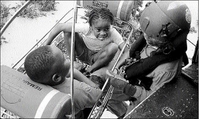
JDF Air Wing personnel conducting a rescue operation in a flooded area. - Contributed
Lack of equipment and insufficient manpower are hampering the Jamaica Defence Force (JDF) Air Wing's ability to carry out search-and-rescue operations in major catastrophes.
With Jamaica being located smack in the Atlantic hurricane belt, many communities are prone to flooding, which is a major cause for concern.
Despite assurances by Lieutenant Noel Lewis, line pilot and instructor at the Jamaica Military Aviation School, that the army unit would be able to cope with critical situations, it still faces an uphill battle to attain optimal operational levels. The air wing needs at least two additional rescue aircraft which, Lewis said, would vastly improve the capacity of the air wing to carry out search and rescue operations effectively.
"In an effort to improve the service offered, a proposal was sent to the Government, but as to where we stand in getting those equipment I couldn't tell," noted Lewis.
With two units out for repair - down from three earlier this year - and the extensive damage to a 412 helicopter, only one of the nine aircraft in operation is ideal for critical emergencies.
The 412 crashed at the army's Up Park Camp headquarters in Kingston during a training exercise early July.
Lewis said the aircraft, which was totalled, has diminished the army's ability to carry out search-and-rescue operations by at least 50 per cent.
According to Major Ricardo Blackwood of the army's Civil/ Military Cooperation and Media Affairs Division, the investigation into the crash is still ongoing as the injured soldiers required enough time to recuperate.
He could not confirm whether that aircraft would be replaced.
Limited funds
It is uncertain whether the aircraft which are out for repair will be fixed, Lewis said, as JDF is not in a position to get the helicopters up and running because of limited funds.
Earlier this year when three units were down, the repair bill was estimated at US$800,000 (J$71.2 million).
In the 2009-2010 Budget, $489.37 million was allocated to the air wing, up from $210.38 million last financial year. Efforts to get a comment on how this money would develop the department and all other financial issues proved futile as officials were tight-lipped about the expenditure.
Lewis said while the air wing was successful in carrying out search-and-rescue operations on numerous occasions where flood waters rose to roof level, the limited number of rescue helicopters and the few pilots skilled to operate these units have hamstrung the system.
Though most of the 189 positions are filled, the small number of pilots on staff - 13 - pose a serious challenge.
The problem has been exacerbated by the fact that pilot duties have to be shared between the aviation school and the operations department.
Lewis indicated that the situation was stressful.
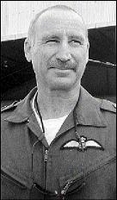
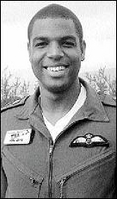
Left: Head of the JDF Air Wing, Lieutenant Colonel Geoffrey Roper. Right: Lieutenant Noel Lewis, line pilot and instructor. He is one of the pilots facing pressure due to critical shortages. - Photos by Nadisha Hunter
"The problem is, when you split the pilots between the operation work and the school, it creates a problem because there are not enough persons to do the job," lamented Lewis.
"Not only that, but the pilots are split based on their level of experience, so it even gets worse with the few that can operate a rescue aircraft, of which there are only four qualified persons."
The shortage of pilots has resulted from the attrition rate as aviators seek out more lucrative offers, said Lieutenant Colonel Geoffrey Roper, head of the JDF Air Wing, speaking at a media day recently.
Pilots are slapped with a seven-year ban but they sometimes use the opportunity to get the experience to move on.
He said there are plans to develop the school to graduate at least 28 pilots from each training programme but equipment woes are hindering progress.
It takes approximately three years for pilots to be trained and another two years for an upgrade to the standard of flying a more sophisticated aircraft.
Foreign support
Training is done up to international level, of which Roper said Canada is the largest supporter.
"The British, Canadian and American governments send representatives to train the persons of the Jamaican team in international disaster rescues, and they also allocate money to the department for training and simple equipment," Roper informed.
However, the acquisition of new aircraft is strictly under the purview of the Jamaican Government.
In carrying out rescue operations, the JDF has maintained a good relationship with the Office of Disaster Preparedness and Emergency Management, which coordinates pre- and post-disaster operations, as well as the Red Cross, which administers first aid and other assistance.
Meanwhile, to keep the team up to scratch in their rescue techniques, at least three drills are done per year, of which a standard team from either of the monitoring countries assists.
Since the start of the year they have already done at least one such military exercise.
nadisha.hunter@gleanerjm.com