
Lessons from World Champs
Published: Wednesday | August 26, 2009

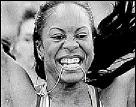
( L - R ) Ennis, Richards
THE EDITOR, Sir:
I happened to be in the Half-Way Tree area at the close of the World Championships and found the comments of the ordinary folk very interesting. One woman condensed the feeling of the group she was in this way: Ungle America betta dan wi. Well, let's look at that statement.
The US has a population of approximately 308 million. Jamaica has 2.7 million. That country, therefore, has more than 114 times the number of people from which to choose a team. Known as the 'Land of Opportunity', its wealth and abundant resources are magnets for the citizens of most countries. The challenges faced by citizens of other countries also exert a push effect towards the US.
Jamaican roots
I can still remember a little girl running for Vaz Prep some years ago. That girl - Sanya Richards - migrated to the US. She has been the top 400m runner in the world for the last five years and was responsible for two of the gold medals won by the US in the World Championships. On the other side of the Atlantic, the top performer for Great Britain was heptathlon gold medallist Jessica Ennis. She is proud of her Jamaican roots. So too is Lynford Christie, who was that country's most enduring male sprinter. Canada's Olympic gold medallist, Donovan Bailey, was born in Manchester.
So the US - with a much larger population and a much larger purse - is able to take a much larger contingent to the games and enter more events than Jamaica. Their team was made up of athletes born all over the world. I think it would be fair to say, however, that persons not only on the Jamaican team, but originating in Jamaica, have contributed more than any other country to the quality of the World Championships.
Maybe the real lesson here - and not just for the woman in Half-Way Tree - is that immigration enriches, emigration impoverishes.
I am, etc.,
GLENN TUCKER
Stony Hill
Kingston 9