The skinny on exfoliation
published:
Saturday | June 7, 2008
Keisha Brown, Health Writer
You've probably heard many times how important it is to exfoliate the skin. But what exactly is exfoliation, and how often should you do it? Well, let's look at the answers to those and a few other questions you might have.
What is exfoliation?
Exfoliation involves the removal of the oldest dead skin cells on the skin's outermost surface. It is used during facials and body treatments at spas.
Can daily exfoliation help skin look younger?
Daily exfoliation improves the surface appearance and function of the skin. Studies show that exfoliation increases epidermal turnover rate, resulting in a clearer, smoother, more even-toned skin which has a greater translucency than skin which is not exfoliated on a regular basis.
Are there different types of exfoliation?
Exfoliation can be achieved through either mechanical or chemical means.
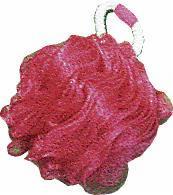
Mechanical exfoliation involves physically scrubbing the skin with an abrasive. Mechanical exfoliants include microfibre cloths, micro-bead facial scrubs, sugar or salt crystals, pumice and abrasive materials such as sponges, loofahs, and brushes. People with dry skin should avoid exfoliants which include a significant portion of pumice.
Chemical exfoliation may involve the use of products that contain alpha hydroxy acids or beta hydroxy acids, or enzymes that act to loosen the glue-like substance that holds the cells together, allowing them to ease away. This type of exfoliation is recommended for acne-prone skin.
What is the right amount of exfoliation?
The need to exfoliate depends on skin type and the degree of exfoliation will vary from person to person, time of year and the environment and lifestyle.
When is a good age to start exfoliating?
The teen years. Exfoliation will help to keep acne at bay, and improve the overall appearance of the skin.
Do we need to exfoliate more during certain times of the year?
Yes. Greater exfoliation is necessary during hot, humid months. This is because during these months your skin is under attack from ultraviolet rays. Consequently, skin will not shed, or turn over, as often as it should. This could result in dense, clogged skin, and even acne at the end of the summer.
Can the same methods be used on the face and body?
The same products may be used but with varied intensity. Some products specifically intended for the body may not be advisable for use on the face. This is for a variety of reasons, e.g., strong fragrance. Dermatologists recommend chemical exfoliation for the chest and back areas.
- Sources:
Dr David S. Orentreich, Orentreich Foundation for the Advancement of Science, NY.