

Eat healthy on a low budget
Published: Monday | April 27, 2009
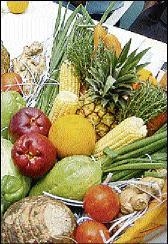
Try to consume local fruits, tubers and vegetables. They are fresher than imported items. - File
WITH THE global economic crisis now taking place, scarcity of food and money have become major factors affecting individuals' and families' abilities to secure food. This directly impacts their nutritional status. The challenge, therefore, is to secure food at a low cost and simultaneously maintain a healthy diet.
According to the Hunger Task Force, food insecurity is a technical term used to describe families or individuals who do not have access to a regular, constant food supply. The major causes they stated can be summarised under the headings 'unavailability' and 'inaccessibility'. The unavailability of food may be caused by insufficient agricultural produce, as well as a reduction in food manufacturing due to a decline in consumer consumption. The inaccessibility of food may mean that consumers are not able to physically obtain the food, or they are not able to afford it.
The balanced diet normally entails eating at least three balanced meals daily; nutritious snacks are also allowed if necessary. A balanced meal contains a variety of foods from the six different food groups, the food groups being: staples, legumes, foods from animals, vegetables, fruits and fats and oils.
In a balanced meal, you should have on your plate some staples, fruits and fats and oils, vegetables, and legumes, while your beverage can be blended fruit juice with no sugar added.
A limited amount of fats and oils would have been added during food preparation, but in the case of a very low-fat meal, a limited amount of fat like salad dressing or gravy may be added at the table.
There are some common practices to cut cost, such as eliminating fruits and vegetables, not having at least three balanced meals, choosing convenience foods and food items (like powdered seasonings, commercial snacks and beverages), and replacing protein foods with fat.
However, these poor dietary practices can lead to reduced immunity, increased susceptibility to disease impaired physical and mental development, and reduced productivity (World Health Organisation, 2009), creating an even greater financial burden on the individual and family, as well as our country's health-care system.
Backyard/kitchen gardening
Planting vegetable and fruit trees and seasoning herbs allows you to have an adequate supply of fruits, vegetables and herbs in the diet. This will reduce your deficiencies in major vitamins and minerals, as well as reduce your risk of hypertension by lowering dietary sodium intake.
The Rural Agricultural Development Authority has more information on how to start your own backyard/kitchen garden even in the smallest spaces.
Home-made preservations
Surplus of fruits and vegetables can be dried, pickled, stewed, juiced and frozen at home to reduce wastage and ensure availability for another time, thus reducing expense.
Portion control
Learn the correct amounts of food for you and each individual in the family to prevent overeating, and thereby allowing the food to last longer. For instance, a healthy low-cost breakfast for a healthy adult can be one medium orange and 1 cup (8oz) cornmeal porridge made with 1/2 cup (4oz) whole milk. A registered dietician or nutritionist will be able to provide more information on portions for your family.
Buy local
Choose especially local fruits, vegetables, and ground provisions, as these are normally cheaper in the local markets, and are sometimes gifts from friends and relatives, or located in our backyards.
Buy sensibly
It is useful to consider the nutrient content of food items when purchasing them, to ensure value for money.
1, Ground beef (mince) will add more protein, and some fat to the diet than other popular low-cost meat substitutes.
2. Purchasing local fruits is cheaper and offers more nutrients and less sugar than a bottle of commercial juice
3. Purchasing a pack of crackers and some cheese gives less total calories, fat and sodium, but will also add more protein to the diet than commercial snacks.
Once food is secured, it becomes a little easier to make meals balanced and thus maintain a healthy diet.
Reneé Amoy Thompson is a dietician and nutritionist.
A balanced meal for the regular, healthy adult
1/2 cup callaloo (from the garden)
1/2 cup baked beans
2oz canned mackerel
two fingers green banana (bought at cheaper local market, or in backyard)
4oz orange juice (oranges bought at local market, or in backyard, then juiced at home).

Ensure adequate food supply to maintaina healthy diet for youand your familyat all times.