Michael Robinson, Gleaner Writer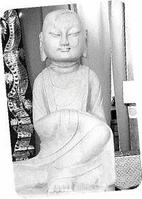
WITH THE 2008 Olympic Games under way, all eyes have turned to the east. Demonstrations that started in earnest once the fabled Olympic torch started making its way across the earth have highlighted the struggles of Tibet, "a small, religious and independent" nation, according to a 1913 proclamation by the Dalai Lama.
Although the exact geography and population of the country are the topic of extensive debate, Tibet has been under the thumb of China's rulers since as early as the seventh century.
largely religious
With an average elevation of 4,900 ft, Tibet is sometimes called 'the roof of the world'. The art produced there is largely religious in content, Buddhist to be exact, and uses centuries old iconography and symbolism to convey concepts like spirituality and the unity of being.
'Treasures From Tibet' is an exhibit at Bolivar Gallery featuring such fascinating items as amulet boxes, a wool-and-silk peacock carpet, handmade books and a bejewelled sword. The variety of items makes for an interesting display, while giving visitors a multidimensional view of this proud nation.
Sculptures and bronze figures sit atop hand-painted chests and tables. Tags and signs are interspersed throughout, giving some insight to the uninitiated into the meaning of some of the icons used in the works.
The diamond or thunderbolt, the inspiration for a tiny amulet, is a phallic symbol of male cosmic energy and compassion. The bell is the female counterpart, also symbolising wisdom.
popular motifs
Snakes, dragons and sea monsters are all popular motifs. Serpents and dragons are benevolent deities in Buddhism, while the head of the sea monster, or makara, is often placed above doorways to prevent evil from entering the building.
Handmade paper and books are also available as part of the collection. The book table is covered with postcard-sized images and books featuring Tibetan art.
Chinese and Indian influences abound in these artefacts from the home of the Himalayas. Despite centuries of what many deem social and religious oppression, the people of Tibet are caretakers of an expressive and deeply religious culture.
While the world celebrates the physical achievement of man, this exhibit focuses on triumphs of the human spirit. In a country where we can say and worship virtually anything we choose, there is much to learn from 'Treasures From Tibet' about what's really important: conviction of beliefs and preservation of culture.
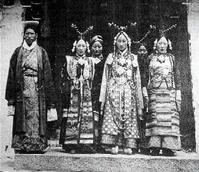
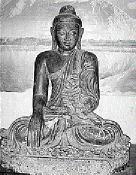
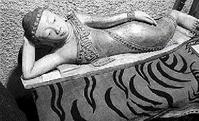
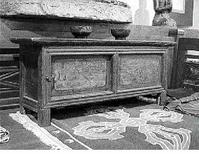
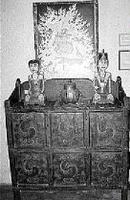
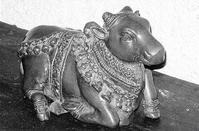
Objects featured in 'Treasures from Tibet,' an exhibition at the Bolivar Gallery, Half-Way Tree. The exhibition which features art from the Tibet continues until September 6. - Photos by Michael Robinson


















