Heather Little-White, Contributor
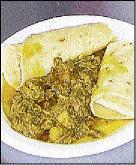
Curried chicken is another great option. - photo by Shelly-Ann Thompson
Parents may face great difficulty in feeding children who are picky eaters. Picky eaters will push foods aside with the condemnatory comment, 'YUCK!' or 'I am not eating that!' Common excuses for refusing foods include stomach ache, difficulty in swallowing and feeling full.
Picky eaters may even get hysterical and throw temper tantrums. Their parents agonise how to constantly provide good nutrition through healthy, easy-to-prepare, tasty meals. As a parent, getting children to eat balanced nutritious food, instead of only a few favourites, can be a challenge.
Children often react negatively to new things, including foods. This is known as neophobia. Parents can counter this fear through education and they should respond calmly and consistently when their children refuse food.
What can parents do?
Gradually introduce new foods into their children's diet. Parents can set a good example by buying only nutritious foods and by eating the very things they want their children to eat.
Understand the psychology behind some children's refusal to eat food. Very often, this is to gain attention.
Check out food allergies. Children may not like some foods because they are allergic to them.
Encourage children to experiment with new tastes and textures by involving them in planning meals, shopping for food and preparing them. A food that normally has a lukewarm reception may become a delicacy if the child helped make it.
Teach children about the food groups of the Caribbean and what constitutes a balanced diet to make them healthy and strong. Talk about how foods are used in the body and what children need to eat to grow.
Let children plant the foods they like as they make a contribution to food security at the household level.
Use food games such as a Score Card, which gives the child a sticker for each type of food you want him/her to eat each day. Limit the number of stickers available for snacks and sweets and offer more stickers for foods you want to increase.
Make food fun! We eat with our eyes. Presentation should be exciting. Try using peanut butter on fresh, crunchy vegetables like carrots, sweet peppers and celery. Add raisins to grated carrots and sliced tomatoes with shredded cabbage. Foods should be cut into interesting shapes and laid out in fun patterns like a smiley face.
Consider the texture of foods served as children react to the feel of food when it is chewed, even when the flavour is good. For example, the softer hamburger meat may be a better choice of beef over sirloin steak, which is more difficult to chew.
Mashed potato is an excellent carrier for puréed vegetables, which children cannot pick out as they would pieces of vegetables. Mashed potato can be mixed with milk to increase its nutrition. Cheese can also be added. If your child likes cheese, try serving cheese sauce over some vegetables.
Try to limit sweets to meal times. Do not completely exclude favoured foods from a child's diet as these items become more prized and contentious.
The dining table could become a battleground when you have children who are picky eaters. Over time, most children outgrow their food fears and few children are harmed by refusing to eat certain foods. If a food is not accepted at first, repeat it later in a different form. What may be 'yucky' today may be 'yummy' tomorrow.
Heather Little-White, PhD, is a food and nutrition consultant and regular contributor to The Gleaner.
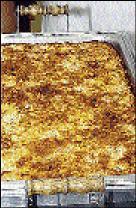
Macaroni and cheese fish pie is great for the kids, says nutritionist Heather Little-White. - Norman Grindley/Deputy Chief Photographer
Picky pleasers
These are some foods that picky eaters usually enjoy:
Macaroni and cheese
Crispy oven fried chicken
Spaghetti and meatballs
Mashed potato
Chicken nuggets
Barbecue chicken
Curried chicken
Pizza
Fluffy cheese rice
Grilled cheese sandwich
Chicken soup
Cheeseburger
Brownies
Oatmeal chocolate-chip cookies
Malted milk shake


















