Krista Henry, Staff Reporter
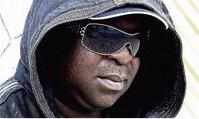
Chaka Demus advocates a clean start at some radio stations. - Contributed
The pay-for-play system of operating in broadcast media, especially radio, has been as constant as the music industry itself. Now the Broadcasting Commission is doing its part to crack down on the problem by putting in place new and revised regulations.
Payola is a criminal offence that has been practised in Jamaica for many years, where airplay is 'bought' by producers, artistes and record companies. According to www.elr.lls.edu, "payola refers to the music industry practice of exchanging money or other valuable consideration for increased exposure or promotion of a particular piece of music".
Radio is a powerful medium through which artistes can expose their music to the public, outside of dances and the actual copies of their CDs. Often airplay makes listeners more interested in an artiste and his or her music.
However, every day the airwaves are bombarded by songs which are not played based on quality, but because the airtime was bought in cash or kind. At the same time, quality songs are stifled by lack of or minimal airplay.
According to a release sent by the Jamaica Information Service (JIS), the Jamaica Broadcasting Commission is doing its best to eliminate payola. The commission is attempting to implement regulations that would require broadcast media houses to keep and have ready for inspection formal music sheets and music logs and to also have a music or programme coordinator.
Better management, monitoring
These measures, according to chairman of the Broadcasting Commission, Dr Hopeton Dunn, will provide for better management and monitoring of what goes on air. "There appears to be insufficient monitoring and management of the music output or the gate-keeping function and so these regulations will help to encourage the sector to increase the monitoring, management and documentation as a measure against this question of payola," Dr Dunn said.
Dr Dunn said that since the offence falls under the umbrella of other sectors, there are some issues relating to the problem that the commission is not capable of addressing by itself. "It is a pervasive problem in the music industry and it is impacting on the broadcasting industry and has done so for a very long time. It is just now that we are determined to join forces with many people in the broadcasting houses, in the music industry and in the public policy arena who want to do something about it," he said.
However, the process of getting regulations in place could take a while to get through the public system.
In a recent story in THE STAR titled 'Another DJ threatened', producer Patrick 'Roache' Samuels allegedly threatened Zip Jock Liquid for not playing his songs. Roache claimed to have done no such thing; however, the issue of payola was highlighted by the incident. In the story, Roache urged disc jocks to stop taking money to play songs. He claimed that there were at least nine producers working on the radio who were pushing their own rhythms and songs and that should stop. Roache claimed that disc jocks should play the songs they receive and allow the public to decide what is good, instead of playing what they feel the public should hear.
FAME FM disc jock Kurt Riley sees payola in the broadcast media as a very 'sticky issue'. According to Riley, he has been approached, but has never accepted any cash or kind to play a song. He told The Sunday Gleaner that "there are very few that hold on to morals and that is based on an individual's parents. My father
Taken from The Sunday Gleaner, March 2, 2008


















