Michelle-Ann Letman, Gleaner Writer
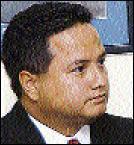
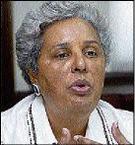
( L - R ) Azan, Kennedy
The head of the Jamaica Exporters' Association (JEA) is blaming the former government's failure to decide on a energy source for the all-island blackout that affected the island Wednesday night.
JEA president, Marjorie Kennedy, told The Gleaner that the blackout was unfortunate and that she strongly believed it would not be the last islandwide power outage for this year.
"Sure it will happen again," she said, arguing that Jamaicans should protect themselves from such future events by investing in solar energy or generators.
Mrs. Kennedy also encouraged members of the JEA to invest in a generating plant.
"There isn't enough excess capacity to manage the vast development that is taking place, especially with the large number of hotel developments on the north coast," she said.
Mrs. Kennedy added that there was only about four per cent excess capacity and that that was not enough to maintain the developments taking place in the island.
She said she hoped the new administration would relax duties on solar-power systems so they could be more affordable for homeowners and business operators alike.
Omar Azan, president of the Jamaica Manufacturers' Association, shared sentiments similar to those expressed by the JEA president.
He, however, placed the blame on the pull-out of Trinidad from the 2004 liquefied natural gas (LNG) deal.
In 2004, then Prime Minister, P. J. Patterson, signed an agreement with Trinidad and Tobago for Jamaica to be supplied with LNG to reduce its reliance on oil, which, at the time was costing almost US$1 billion to import annually.
However, the Trinidad-operated National Gas Company subsequently pulled out of the deal as it claimed it had no spare supplies.
Mr. Azan said he believed things would only get worse if the problem was not addressed quickly.
He, like Mrs. Kennedy, argued that the Jamaica Public Service did not have the additional capacity to manage the developments that are taking place.
"If this continues, we will lose money and profits," Mr. Azan said.
He is also in agreement with seeking alternative sources of energy. However, he is concerned about the high cost of suc methods, such as solar energy or generators.


















