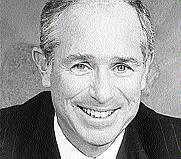
Stephen Schwarzman, 60, the chief executive of The Blackstone Group, could walk away from the IPO with a stake in the company valued at as much as US$7.7 billion (€5.7 billion). - AP Equity powerhouse Blackstone Group's initial public offering (IPO) is expected to raise US$3.87 billion (€2.88 billion) to US$4.14 billion (€3.08 billion).
The flotation on the New York Stock Exchange is being underwritten by JPMorgan and Citigroup.
Blackstone earlier said it expects to sell 133.3 million common units at US$29-31 each.
The final price of the Blackstone offering was expected to be set sometime yesterday evening, and the stock may begin trading on the NYSE under the symbol 'BX' as soon as today.
If the flotation comes in at the high end of the range, it will be the sixth-largest U.S. offering of all time and the biggest in nearly five years, according to Renaissance Capital and IPOHome.com.
The size of the deal has been matched only by the controversy surrounding the offering.
Announced public offering
Blackstone first defied expectations when it said in March it would go public, having made its fortune taking companies private.
Yesterday, the company also revealed in a Security Exchange Commission filing that it would be hit with bigger tax costs than anticipated.
"Everything about this deal's been unusual," said Phil Stiller, an analyst with Renaissance Capital.
A new bill pending in the United States Senate would tax publicly traded partnerships that derive profits from managing other people's assets at the same tax rate as corporations, abolishing a two-decade-old provision that grants the partnerships a lower tax rate.
That would effectively double the tax rates for private equity firms.
Blackstone has said the Senate bill, which would effectively raise its tax rate to as much as 35 per cent from 15 per cent, would hurt profitability.
The Financial Times reported Thursday that the IPO was about seven times subscribed, boosted by demand from Asia, the Middle East and Europe.
Limited mutual fund interest
Citing unnamed people close to the offering, the newspaper said U.S. mutual fund interest was limited by concern over a possible increase in Blackstone's tax liability.
While Blackstone would get a five-year exemption (since it filed to go public before the bill was introduced), the potential for a tax hike has at least temporarily slammed the brakes on the possibility of firms like the Carlyle Group, Apollo Management LP, and Kohlberg Kravis Roberts & Co. following in its footsteps.
Blackstone competitor Fortress Investment Group would also get the exemption, since it is already public, but the mere suggestion of a higher tax rate has weighed on the shares of late.
Blackstone also raised eyebrows by structuring the company to hand little control to investors — instead tying its stakes to the management committee that runs the firm.
Since then, the equity firm also made headlines by disclosing that Chief Executive Stephen Schwarzman made US$400 million (€298 million) in 2006 and could walk away from the IPO with a stake in the company valued at as much as US$7.7 billion (€5.7 billion).
- Wire reports


















