Rosalee Brown he nutrient needs and eating patterns of one-year-olds and two to three year-olds are different from other age groups.
The first year of life
The first year is one of rapid growth, and so foods which provide energy should be the major part of all meals. Cereals such as cornmeal, rice, oats and wheat, are nutritious, energy-dense foods and they are also rich in vitamins, minerals and some of the building blocks of proteins.
Fat is another excellent source of energy and should be incorporated in the diets of this age group. Unlike adults, it is not recommended that fat is reduced in the diets of children under two years old; 30 per cent of their daily energy intake should come from fat. Because this group of children eat in small amounts (as they have small stomachs and appetites) meals should be dense in energy and nutrients to ensure that they are eating adequate amounts of the nutrients. It is, therefore, okay to add butter or margarine and gravies to their meals. Fat free and low fat have no place in a one to two year old's diet.
Your one to three year olds
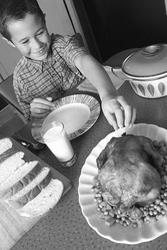
Adults may reduce or avoid some high-cholesterol foods, like liver. However,this would be inappropriate for the one to three year-olds as liver is rich in iron. Children in this age group are prone to iron-deficiency anaemia; this deficiency can affect their growth and development, including cognitive potentials. Chicken liver and rice with callaloo and shredded carrot served with orange juice, would be an ideal meal for these toddlers.
This group of children also have small stomachs but require adequate energy and nutrients, so avoid giving them too much to drink. It is better if they are fed solid fruits which will provide their bodies with minor nutrients, such as water-soluble vitamins, in smaller volumes, as well as appropriate amounts of fibre. Giving them the solid fruits will also allow room for foods from the other food groups which are important for growth and development.
Whole cow's milk should not be introduced to children under one year old as some of them may be allergic to milk protein. If milk forms the major source of food intake, it can lead to sub-optional nutrition and iron-deficiency anaemia, as milk is deficient in iron.
It is difficult to structure meal times, as children's energy needs are directed by their growth pattern which can vary from child to child.
The guideline is to have available wholesome, age-appropriate foods from the food groups (staples, food from animals, legumes, fruits, vegetables and fats). Children will determine when and how much they will consume; usually by the end of the day, they would have had adequate amounts to eat.
Rosalee M. Brown is a registered dietitian/nutritionist who operates Integrated Nutrition and Health Services; email: yourhealth@gleanerjm.com.