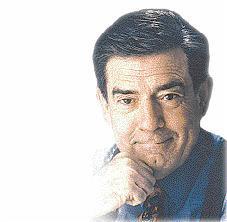
Dan Rather DO YOU know where Mitt Romney stands on global climate change? How about Hillary Clinton's position on immigration? If your answer to either or both of these questions is no, you're excused. Such substantive issues haven't exactly been the focus of the media spotlight. But what you probably do know by now is that the Republican former governor of Massachusetts and the Democratic junior senator from New York are, now that first-quarter returns are in, the fund-raising front-runners in the 2008 presidential race.
Former Gov. Romney has surprised his fellowRepublicans by raising more than $20 million so far, and Sen. Clinton has taken in $26 million plus more than $10 million from her Senate campaign account. These are both record-breaking sums for this stage in a campaign - by more than a factor of two. The money raised by these and other prominent Democratic and Republican candidates goes a long way toward confirming predictions that this will be a billion-dollar campaign for the White House.
So much for taking big money out of politics. And one of the ironies to come out of the staggering sums being reported thus far is the decision by Sen. John McCain - railer against the influence of money in elections and co-author of the McCain-Feingold campaign finance reform bill - to renew and redouble his fund-raising efforts after raising 'only' $12.5 million in the first quarter of 2007.
The story of the candidates' mad dash for cash is, of course, an important one, so news coverage of this topic is certainly justified. But the tone of many of the stories about the fund-raising totals is a troubling one that equates money raised with winning or losing, as if money raised in the first quarter of the year before an election amounted to a major primary victory.
Big money
Or maybe the most troubling thing is that, in a very real sense, they do. The modern presidential campaign requires great gobs of cash to fund everything from transportation to consultants and staff to, most of all, media buys - those 30-second commercials that before you know it will become all but ubiquitous. Those who wish to compete seriously better get to the big money and get to it first.
But we might ask if the news media really do democracy and American voters a service by helping to turn the prophecy of cash into a self-fulfilling prophecy. We already hear far too much about the horse race and the inside-baseball talk of campaign strategies - do we really need all this, too?
Keeping track
Perhaps some of this ink and airtime would be better spentlooking at just where all this money is coming from, and what the donors are likely to want in return. And once a president is elected, it would be refreshing to see news organisations keep track of just what pieces of his or her agenda dovetail with the concerns of his or her biggest donors - but it's always easier to just report the findings of the latest presidential job-approval poll.
And in all of this, there's one debate you're not likely to hear in the broadcast media, and that's about a major step that might be taken to help alleviate the demand for so much money - a requirement that networks and their affiliates, in return for their licence to broadcast over airwaves owned by We the People, would need to grant major-party candidates some substantial amount of free time. But that's precisely the sort of measure that doesn't have a ghost of a chance in a political environment where money calls the shots.
Dan Rather is an American television broadcaster.

















