Petrina Francis, Staff Reporter
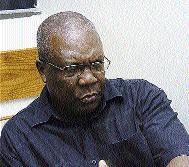
Hopeton Henry, president-elect of Jamaica Teachers' Association. - Winston Sill/Freelance Photographer
When Hopeton Henry is installed as the 39th president of the Jamaica Teachers' Association (JTA) on August 21, he knows it will not be an easy tenure, but he believes he is up to the challenge.
"There is the burden of the expectation to do well (but) given the support and experience, I will be ready to serve the teachers of this country well," he said.
When he takes over the mantle of leadership from outgoing president, Ruel Reid, Mr. Henry will have to grapple with the unfinished business of salary negotiations for teachers, and the ongoing problem of violence in schools, among other issues.
Agenda
"The salary issue will be on my agenda. Whatever offer that is given or not given, conference will have to take some serious decisions on the way forward," Mr. Henry said.
The JTA has been in salary negotiations with Government for months. The Government had proposed a 14 per cent to 16 per cent increase in the first year for principals and vice-principals, with eight per cent in the second year. For teachers, the proposed rate is between 14 and 22 per cent in the first year and five to eight per cent in the second.
But an overwhelming number of JTA delegates rejected the offer at a special delegates conference recently.
Mr. Henry, who is the principal of Seaforth High School, St. Thomas, said that during his tenure, he will be promoting the upgraded high schools because there is the perception that they are not doing well.
Focusing on women
While the membership of the JTA is about 80 per cent women, Mr. Henry said females are not at the centre of decision making in the organisation. His aim, he said, is to move women to the core of the JTA.
Each year, thousands of students perform poorly at the Caribbean Secondary Education Certificate examinations and the Grade Six Achievement Test. Mr. Henry told The Gleaner he will be working with the Ministry of Education and Youth to conduct seminars for teachers and students at the parish and regional levels.
"There are those teachers who are not performing. Through the evaluation process, we will identify them and put the necessary interventions in place," he said.
The incoming president, who is a former member of the National AIDS Committee, said he will also be working closely with the Ministry of Health to disseminate information to reduce the stigma and discrimination attached to HIV/AIDS in school and the rest of society.