Keisha Shakespeare, Staff Reporter
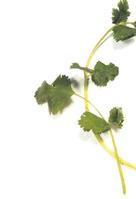
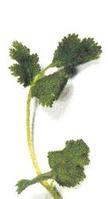
Cilantro - RUDOLPH BROWN/CHIEF PHOTOGRAPHER
THE TERM herb means dried plant product, especially their green succulent parts, which are used for culinary purposes. Herb originated from the Latin word 'herba', which means 'green crops'. Herbs are grown to add piquancy to cooking, for fragrance and garnishing, and in a limited way for medicinal use.
On the other hand, a spice is a dried seed, fruit, root, bark or vegetative substance used in nutritionally insignificant quantities as a food additive for the purpose of flavouring. Spices are further distinguished from herbs, referring to leafy, green plant parts used for flavouring purposes. However, spices are not fresh. On that note this week Food will feature herb, cilantro and a spice, turmeric.
Turmeric (Curcuma longa)
Turmeric is a spice that is a member of the ginger family, zingiberceae. It is commonly used in curries. Its active ingredient is curcumin. It is a significant ingredient in most commercial curry powders. Turmeric is also used to give a yellow colour to some prepared mustards, canned chicken broth, and other foods (often as a much cheaper replacement for saffron). Also it makes a cheap fabric dye.
In traditional medicine, turmeric is thought to have many healthful properties. In some Asian countries it is taken as a dietary supplement where it is said to help with stomach problems and other ailments. And in Okinawa, Japan, it is popular served as tea. It is currently being investigated for possible benefits in Alzheimer's disease, cancer and liver disorders.
Turmeric is mildly aromatic and has scents of orange or ginger. It has a pungent, bitter flavour. It is used in canned beverages, baked products, dairy products, ice cream, yoghurts, yellow cakes, biscuits, popcorn-colour, sweets, cake icings, cereals, sauces, and gelatines. In combination with Annatto, it has been used to colour cheeses, dry mixes, salad dressings, winter butter and margarine.
Use turmeric to add Eastern mystery to new favourites as well as in traditional curries, rice and chicken dishes, and condiments. Turmeric is a classic addition to chutneys, pickles, and relishes. Add a pinch of turmeric to fish soups. Blend with melted butter and drizzle over cooked vegetables, pasta, or potatoes.
Cilantro
Cilantro, a member of the carrot family, is also referred to as Chinese parsley and coriander. It is actually the leaves (and stems) of the Coriander plant. Cilantro has a very pungent odour and is widely used in Mexican, Caribbean and Asian cooking. The cilantro leaves look a bit like flat Italian parsley, and in fact, are related.
Cilantro is a fast-growing annual herb and the entire plant, including the leaves, the seeds and roots, are all edible. However, the leaves get a stronger and sometimes disagreeable flavour as they get older and larger. In the Middle East, cilantro leaves are used in pickles, curries, and chutneys. In Mexico and the south western United States, it is used in everything from salsas and salads to burritos and meat dishes. The coriander seeds are used in sweets, breads, cakes, and to flavour liqueurs. In Jamaica, cilantro has become a popular herb and is sold in market places along with scallion.
Cilantro is considered an aid to the digestive system. It is an appetite stimulant and aids in the secretion of gastric juices. A poultice of coriander seed can be applied externally to relieve painful joints and rheumatism. Some say the seeds can be mixed with violets for a remedy for a hangover. The essential oils of the cilantro leaves contain antibacterial properties and can be used as a fungicide. Coriander seeds are considered to contain cholesterol-lowering properties.
Sources: www.gourmetsleuth.com, www.culinarycafe.com, Wikipedia, the free encyclopaedia


















