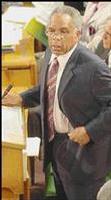
DAVIESTHE MINISTER of Finance and Planning, Dr. Omar Davies, recently announced a 1.5 per cent increase in the standard rate of general consumption tax (GCT) from 15 per cent to 16.5 per cent, which becomes effective today May 1, 2005. The new rate will also be applied to construction and building material which were
previously taxed at the rate of 12 per cent. The GCT on telephone services remains at 20 per cent.
GOODS NOT TAXABLE FOR GCT
The announced change to the rate of GCT does not affect consumer items that were previously not taxable, these include: meat, poultry, ground provisions, eggs, cooking oil, legumes, onions, garlic, soya meal, corn, corned beef, wheat, salt, sugar, rice, rolled oats, patties (vegetable or beef), fish, cock and noodle soups in aluminium sachets, syrup, baking flour (less than 45.3 kilo), infant
formulae, school uniforms and school bags, canned sardines, herrings and mackerel, breads, buns,
bullas, biscuits, crackers, sanitary napkins and
tampons, cornmeal and counter flour, fresh fruits and vegetables, excluding some imported fruits.
ZERO-RATED ITEMS NOW EXEMPT
The changes in the tax measures have also seen the transfer of zero-rated items to an exempt status. The consumer will therefore not pay GCT on items that are exempted from GCT. The revised schedule of GCT-exempt items now includes: animal feeds (except pet food); machetes, cutlass files, grubbing hoes, farm forks; and planting material including
cereals and seeds in their natural state dormant flower bulbs, corms, roots and tubers, nursery stock intended for commercial purposes, vegetable plants and live trees intended for commercial purposes.
Other zero-rated items now exempt are fishing apparatus, gear, boats, engines, outboard motors with power rating up to 75 hp, equipment and parts imported or purchased by or on behalf of or taken out of bond by commercial fishermen; fertilisers, herbicides, fungicides, plant growth regulators, nematicides, rodenticides, veterinary preparations and mulloscides; and insecticides intended for use exclusively in agriculture.
Also included in the exempt category are any drug specified in the Fourth Schedule (List 4 Drugs) to the Food and Drugs Regulations Act, 1975; diagnostic reagents used for the testing of dextrose in the blood and glucose, protein, ketones and pH in the urine; all contraceptive devices and substances; surgical gloves, including disposable, sterile and those made of latex rubber; disposable diapers for the incontinent; any orthopaedic appliances, surgical belts, trusses, splints and other fracture appliances, artificial limbs, eyes, teeth, and other artificial parts of the body, hearing aids, other appliances which are worn or carried or implanted in the body to compensate for any bodily defect or disability, canes and crutches designed for use by the handicapped and eye glasses and contact lenses used for the treatment or correction of a defect in vision on the written prescription of an eye care professional, and parts and accessories for any of the foregoing; invalid carriages; printed matter, articles and materials, except for newspapers;
exercise books.
It should be noted, however, that Government, exports, diplomats and international agencies will continue to maintain their zero-rated status.
The new tax measures announced by the Minister of Finance and Planning will also see a change in the registering of business persons for the collection of GCT. The threshold for registering as a taxpayer under the GCT Act has moved from $300,000 to $1,000,000 turnover per annum.
For further information, contact the toll-free service 1-888-TaxHelp (1-888-829-4357).