
Darfur still dangerous - Jamaican cop
Published: Tuesday | March 3, 2009
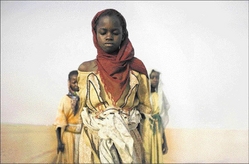
Refugee girls leave a camp to gather firewood in Darfur, Sudan. Girls as young as eight years old have been raped, attacked and killed in North Darfur. - AP
On the eve of a landmark decision by the International Criminal Court which could indict Sudan's president for genocide, a Jamaican cop who was part of a peacekeeping mission there says huge obstacles lie ahead for the war-torn region of Darfur.
Police Sergeant Oral Henry, who returned to Jamaica in February after spending one year in Sudan, said cultural and political roadblocks threatened the prospect of peace and stability in the African country.
"The United Nations started to do good work and if given the chance, they will take the country to an enviable position. However, this will be a challenge due to the years of war and strife," he said.
More than 300,000 mostly black villagers have been killed in Darfur and 2.7 million driven from their homes in a conflict that began in 2003.
"Other problems were the marginalisation of the women. They basically have no say and the young girls have their genitals mutilated," lamented Henry, while addressing the issue of rife human-rights violations in Darfur.
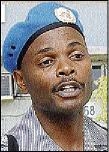
Women basically have no say and the young girls have their genitals mutilated. - Henry
Henry told The Gleaner that 2,000 police personnel were drawn from 42 countries. Their mission was to train security forces in Darfur. The UN peacekeeping forces, who are not permitted to battle Janjaweed militants and other fighters waging war in the region, have received some criticism for not protecting innocents from their attackers.
The 17-year Jamaica Constabulary Force veteran said he had difficulties adapting to cultural differences in a country where Islam is the dominant religion. The language barrier was also a concern, but linguistic trainers helped to offset those problems, the police sergeant said.
President's fate in the balance
Henry, who is attached to the local Narcotics Division, refrained to speak on the pending decision of the International Criminal Court on whether Sudanese President Omar al-Bashir should be charged for crimes against humanity, war crimes and genocide. That judgment will be made tomorrow.
It is uncertain whether al-Bashir, if indicted, will bow to the court's order and face the charges. He would be the first sitting head of state indicted by the Netherlands-headquartered court since its establishment in 2002. Senior Sudanese government officials have said in the past that they would not abide by the court's decision.
The Associated Press yesterday reported that there are fears of reprisals if the charges are laid.
"Whatever happens is that (al-Bashir) must protect UN personnel" and act responsibly, UN Secretary General Ban Ki-moon told diplomats who came to hear a wide-ranging speech on African issues on Monday.
"I'm concerned about this impending indictment," Ban said.
rasbert.turner@gleanerjm.com