Ven Griva, Contributor
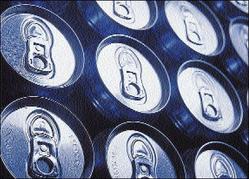
Long suspected as an accomplice in America's exploding obesity epidemic, soda's bad influence could have an even more insidious effect on human health. A recent study has linked the high-fructose corn syrup (HFCS) used to sweeten sodas to the onset of type 2 diabetes.
Working in a Rutgers University laboratory, Chi-Tang Ho and colleagues studied several popular soft drinks sweetened with high-fructose corn syrup. The scientists found that drinks containing the syrup had high levels of reactive compounds that have been shown to have the potential to trigger the kind of tissue damage that can cause diabetes.
What's more, the carbon dioxide gas used to give soda its fizz appears to combine with HFCS in a way that increases its harmful effect. Ho reported his findings August 23 in Boston at the 234th national meeting of the American Chemical Society.
Easier to blend
High-fructose corn syrup is a sweetener included in many foods and beverages, including non-diet soda, baked goods and condiments. It has become the sweetener of choice for many food manufacturers because it is considered more economical, sweeter and easier to blend into beverages than table sugar.
There is a striking correlation between the rise of obesity in the United States and the use of HFCS for sweetening beverages and foods, but it is not clear whether this is coincidence or a causal relationship. Some critics of HFCS do not claim that it is any worse than similar quantities of sucrose would be, but rather focus on its prominent role in the overconsumption of sugar, for example encouraging overconsumption through its low cost.
Some researchers have suggested that high-fructose corn syrup may contribute to an increased risk of diabetes as well as obesity, a claim which the food industry disputes. Until recently, little laboratory evidence has been available on the topic.
In the Rutgers study, Ho conducted chemical tests using 11 different carbonated soft drinks containing HFCS. He found 'astonishingly high' levels of reactive carbonyls in those beverages. These highly reactive compounds associated with 'unbound' fructose and glucose molecules are believed to cause tissue damage, said Ho. By contrast, reactive carbonyls are not present in granulated sugar, whose fructose and glucose components are 'bound' and chemically stable, Ho said.
Reactive carbonyls also are elevated in the blood of people with diabetes and linked to complications of that disease. Based on the study data, Ho estimates that a 12-ounce can of carbonated soda contains about five times the concentration of reactive carbonyls than the concentration found in the blood of an adult person with diabetes.
"People consume too much high-fructose corn syrup in this country," said Ho. "It's in way too many food and drink products and there's growing evidence that it's bad for you."
Ho's group is also probing the mechanisms by which carbonation increases the amount of reactive carbonyls formed in sodas containing HFCS. They note that non-carbonated fruit juices containing HFCS have one-third the amount of reactive carbonyl found in carbonated sodas with HFCS, while non-carbonated tea beverages, containing high-fructose corn syrup, have only about one-sixth the levels of carbonyls found in regular sodas.
© Copley News Service. Visit Copley News Service at www.copleynews.com

















