
Rosalee Brown
We live in an exciting time. We are living longer, thanks to improvements in medicines and in public health, including the increased availability of nutritious foods. In Latin America and the Caribbean, life expectancy was about 30 to 40 years in the last century but is now 70 plus years today!
In the year 2000, one in every 12 persons in the region was 60 and it is predicted that, by 2025, it will be one in every seven. The over-80 age group is expected to grow to 10 per cent of most populations in the region. Persons over 65 are referred to as 'the mature elderly' but this age group is still filled with vim and vigour; it is only the over 80-year-old persons who are referred to as 'the frail elderly'.
The quality of life and continued contribution to the society of the elderly is dependent on how they can prevent or minimise chronic diseases, functional limitations and malnutrition. Many elderly persons are at increased risk for malnutrition because of physiological and other factors.
Changes caused by ageing
Ageing causes our taste buds to decrease, as does our olfaction sense. Many older persons have problems with mastication as a result of poor dentition, reduced saliva production or thickened saliva (sometimes as a result of medication and dehydration). Food tends to sit longer in the stomach causing gastritis; this condition can increase from 30 per cent in the 65-year-olds and older to 50 per cent in those persons over 80 years old.
These persons become filled up easily with only a morsel. Digestive juices are reduced as also the movement of food throughout the whole digestive tract. Persons are prone to indigestion, bowel upsets, gas production and they tend to lose interest in food. They do not get the same pleasure from eating as they experienced in younger years. Because of these challenges, it becomes very important that meals are planned properly in composition, cooking methods, timing and presentation.
Tips
Meals should be flavourful - this can be achieved by serving freshly prepared meals. Use fresh seasoning to improve flavour and minimise the use of excess salts and oils to enhance flavour. This can be a challenge as persons may not be interested in preparing meals, so caregivers should be aware of this fact.
Since the frail elderly may tend to fill up easily, small portions should be served, but these should be dense in nutrients and calories. One-pot mealssuch as soups are usually enjoyed by elderly citizens.
In these hot months, instead of just serving juices which are many times high in water and sugar and sparse in other nutrients, serve a chilled fruit salad in its own syrup or light syrup or with cream added. More than one serving can often be made and left in the refrigerator.
Meals should be attractively served and it is best to eat with company, even a grandchild, to increase the pleasure of the occasion.
Important nutrients
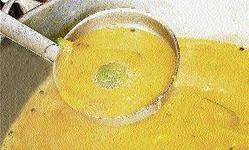
One-pot meals, such as soups, are usually enjoyed by elderly citizens. - photo by Rosemary Parkinson
The elderly still need good quality proteins from food from animals or digestible peas and beans.
They need fats, especially fats from fish which contains the omega-3 fatty acids.
They need iron, calcium and other minerals and vitamins, so variety in the diet from colourful plant foods is important. They can also benefit from a good multivitamin.
The elderly need carbohydrates, but beware of large amounts of refined starches and sugars.
Good nutrition is vital at any age but the physiological changes of ageing must be considered.
Rosalee M. Brown is a registered dietitian/nutritionist who operates Integrated Nutrition and Health Services; email: yourhealth@gleanerjm.com.

















